What Is Parent-Child Interaction Therapy (PCIT)? A Guide for Parents
Parenting can be one of the most rewarding parts of life. It can also be one of the hardest. If your child has frequent tantrums, refuses to listen, acts aggressively, or seems constantly defiant, you may feel overwhelmed and unsure what to do next.

One therapy that has helped many families is Parent‑Child Interaction Therapy (PCIT). PCIT is a structured, research-based treatment designed for young children with behavior challenges. It teaches parents practical skills they can use every day to improve their child’s behavior and strengthen their relationship.
In this post, we’ll break down what PCIT is, how it works, who it helps, and what research says about how well it works.
What Is PCIT?
PCIT is a special type of therapy created to help children ages 2 to 7 who struggle with:
Tantrums and outbursts
Hitting, biting, or pushing
Refusing to follow directions
Constant defiance or arguing
Unlike many therapies that focus mainly on talking with the child, PCIT focuses on coaching parents while they interact with their child.
Parents are not blamed. Instead, they are supported and trained in specific skills that improve both behavior and connection.
The Main Goal of PCIT
PCIT has two main goals:
Strengthen the parent-child relationship
Reduce challenging behaviors
Many behavior problems improve when the parent–child relationship becomes more positive and secure. PCIT helps build warmth, structure, and consistency in a clear, step-by-step way.
How Does PCIT Work?
One unique part of PCIT is that the therapist coaches the parent live during sessions.
Here’s what typically happens:
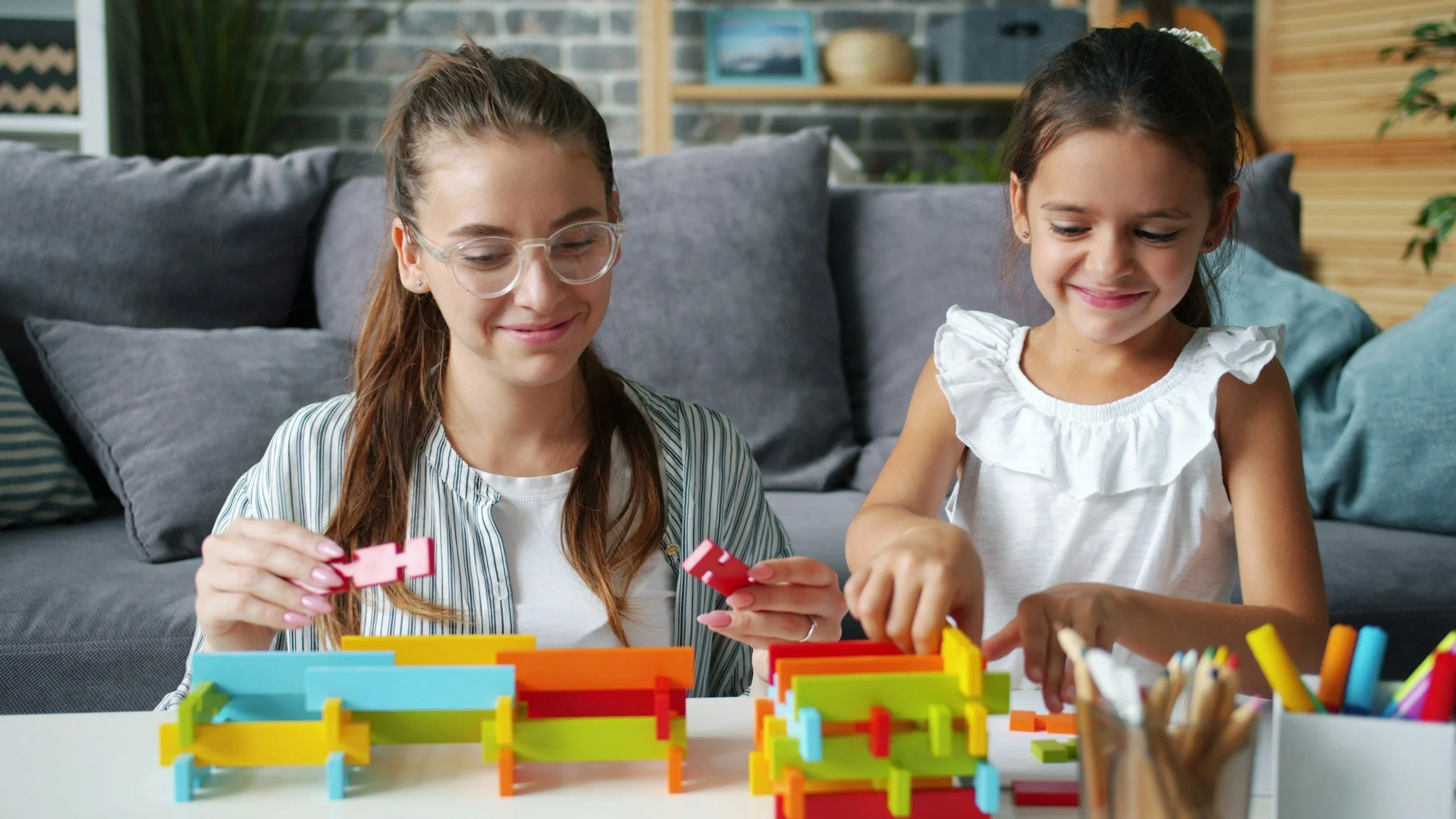
The parent and child play together in a therapy room or at home.
The therapist watches from behind a one-way mirror or through video.
The therapist speaks to the parent through a small earpiece.
The therapist gives real-time guidance and encouragement.
This setup allows parents to practice skills immediately instead of just talking about them.
Learning by doing is powerful. Parents leave each session knowing exactly what to practice at home.
The Two Phases of PCIT
PCIT is divided into two main phases:
1. Child-Directed Interaction (CDI)
In this phase, the focus is on building a stronger bond.
Parents learn to:
Give labeled praise (“I like how gently you’re playing.”)
Reflect what the child says (“You’re saying ‘my car’!”)
Describe what the child is doing (“You’re stacking the blocks!”)
Show enthusiasm and attention
Avoid criticism, commands, and too many questions
This kind of attention helps children feel understood and safe.
2. Parent-Directed Interaction (PDI)
After the relationship foundation is strong, the second phase begins.
In this phase, parents learn:
How to give clear, direct commands
How to follow through with calm, consistent consequences
How to stay confident and predictable
Parents practice giving one-step directions such as:
“Please put the toy in the bin.”
If the child follows the direction, the parent praises them. If the child does not follow the direction, the parent uses a calm, planned consequence taught in therapy.
The key is consistency — children thrive when expectations are clear and predictable.
What Makes PCIT Different?
PCIT stands out for several reasons:
1. Live Coaching
Parents get real-time feedback instead of general advice.
2. Skill Mastery
Parents must show they’ve mastered each skill before moving on. This helps results last.
3. Structured and Goal-Driven
PCIT usually lasts 12–20 weekly sessions, depending on progress.
4. Research-Supported
Decades of studies show PCIT works well for many children and families.
What Does Research Say About PCIT?
PCIT has been studied in many research projects. Here’s what data shows:
Reduces disruptive behavior:
Several studies find that PCIT significantly reduces aggressive behaviors, defiance, and tantrums in young children compared to no treatment or standard parenting advice.
Improves parent confidence and skills:
Parents who go through PCIT report feeling more confident and less stressed compared with parents who didn’t receive the therapy.
Long-lasting benefits:
Follow-up studies show that improvements in child behavior often continue months after PCIT ends.
High success rates:
Many research trials show that 70%–80% of children show meaningful improvement in behavior after completing PCIT.
One large review found that PCIT led to large reductions in disruptive behavior problems compared with control groups. These effects were consistent across different kinds of families and settings.
In simple terms: PCIT works better than typical advice or no treatment when it comes to improving behavior and parent-child interactions.
Who Is PCIT Best For?

PCIT works best for:
Children ages 2–7
Children with ADHD
Children with oppositional behavior
Children exposed to trauma or stress
Families who want structured guidance
It can also help parents who feel:
Constantly overwhelmed
Unsure how to discipline
Like nothing they try works
PCIT provides clear, step-by-step tools that parents can use every day.
What Happens in a Typical Session?
A standard PCIT session may include:
A short check-in with the parent
Parent and child play together
The therapist coaches the parent live
Review of progress and home practice homework
Parents are asked to practice skills at home for about 5–10 minutes per day. Short, daily practice builds lasting change.
Is PCIT Only for “Severe” Behavior?
No. While PCIT is very effective for serious behavior problems, it can also help with:
Mild defiance
Power struggles
Difficulty with routines
Sibling conflict
Many parents find PCIT skills useful even if their child’s behavior is not extreme. The skills are practical and grounded in everyday interactions.
Common Misunderstandings About PCIT
“It’s just about discipline.”
No — the first phase focuses on connection and warmth.
“The therapist fixes my child.”
PCIT teaches parents tools so the family can continue improving on their own.
“It sounds too strict.”
PCIT is structured, but it teaches calm, predictable responses, not harsh punishments.
“My child won’t sit still.”
PCIT is designed for active, energetic children. The coaching adjusts to each child’s needs.
How PCIT Helps Emotionally
While PCIT focuses on behavior, it also supports emotional growth.
Children learn:
How to control strong feelings
How to follow simple rules
That parents can be safe and predictable
How to handle frustration better
This emotional growth can lead to long-term improvements in school, friendships, and family life.
PCIT and Trauma
PCIT is often used with children who have experienced trauma.
Children who’ve lived through challenging situations may react with:
Aggression
Fear
Emotional outbursts
Difficulty trusting adults
Because PCIT builds both attachment and structure, it can help children feel safe and understood.
Research suggests PCIT can reduce trauma-related behavior problems and improve parent bonding.
What Commitment Is Required?
PCIT requires:
Consistent attendance at weekly sessions
Short daily practice at home
Openness to learning and applying new skills
Progress depends on regular practice, but many families begin to see improvement within a few weeks.
How Do I Know If My Child Needs PCIT?
Think about PCIT if:
You feel stuck in daily power struggles
Discipline does not seem to work
You find yourself yelling often
Your child’s behavior affects school or daycare
You feel exhausted and unsure what to try next
Talking with a trained professional can help you decide if PCIT is a good fit for your family.
Finding a PCIT Therapist

PCIT requires specialized training and certification. You can find a list of providers at PCIT International linked here (https://www.pcit.org/find-a-provider).
Dr. Kassi Gregory, Licensed Psychologist is a certified PCIT provider who also provides training to other practitioners. She loves helping children and families and has over a decade of experience.
We would be happy to consult with you and help you schedule an appointment with Dr. Gregory. Please call us at (806) 891-8995, email us at pcs_counseling_admin@get-mental-health.com, or click “Book Now” below.
Final Thoughts
Parenting doesn’t come with a manual. When behavior challenges show up, it can feel personal and frustrating.
PCIT offers something many families need:
Clear steps
Real coaching
Measurable progress
A stronger relationship
It doesn’t require “perfect parenting.”
It teaches better parenting skills.
When parents change how they respond, children often change too.

If you are feeling stuck, discouraged, or simply want tools that work, PCIT may be a powerful next step for your family.
Book Now or Call us at (806) 891-8995