
Now Accepting Patients for our Fully
Virtual Intensive Outpatient Program


When weekly therapy isn't enough, there is a next level of support.
Virtual Intensive Outpatient Care


Our IOP is a fully virtual, DBT-based intensive outpatient program for people experiencing overwhelming emotions, repeated relationship difficulties, and mental health symptoms that continue to disrupt everyday life.
Receive structured, compassionate care several times each week—while continuing to live at home.
A confidential conversation. No pressure and no obligation to enroll.
You may need more support—not more of the same.
You may have already spent months or years in traditional therapy. You understand what is happening, but insight alone has not changed the intensity of your emotions or the patterns that keep repeating.
Our virtual IOP may be a fit if you or someone you care about is experiencing:
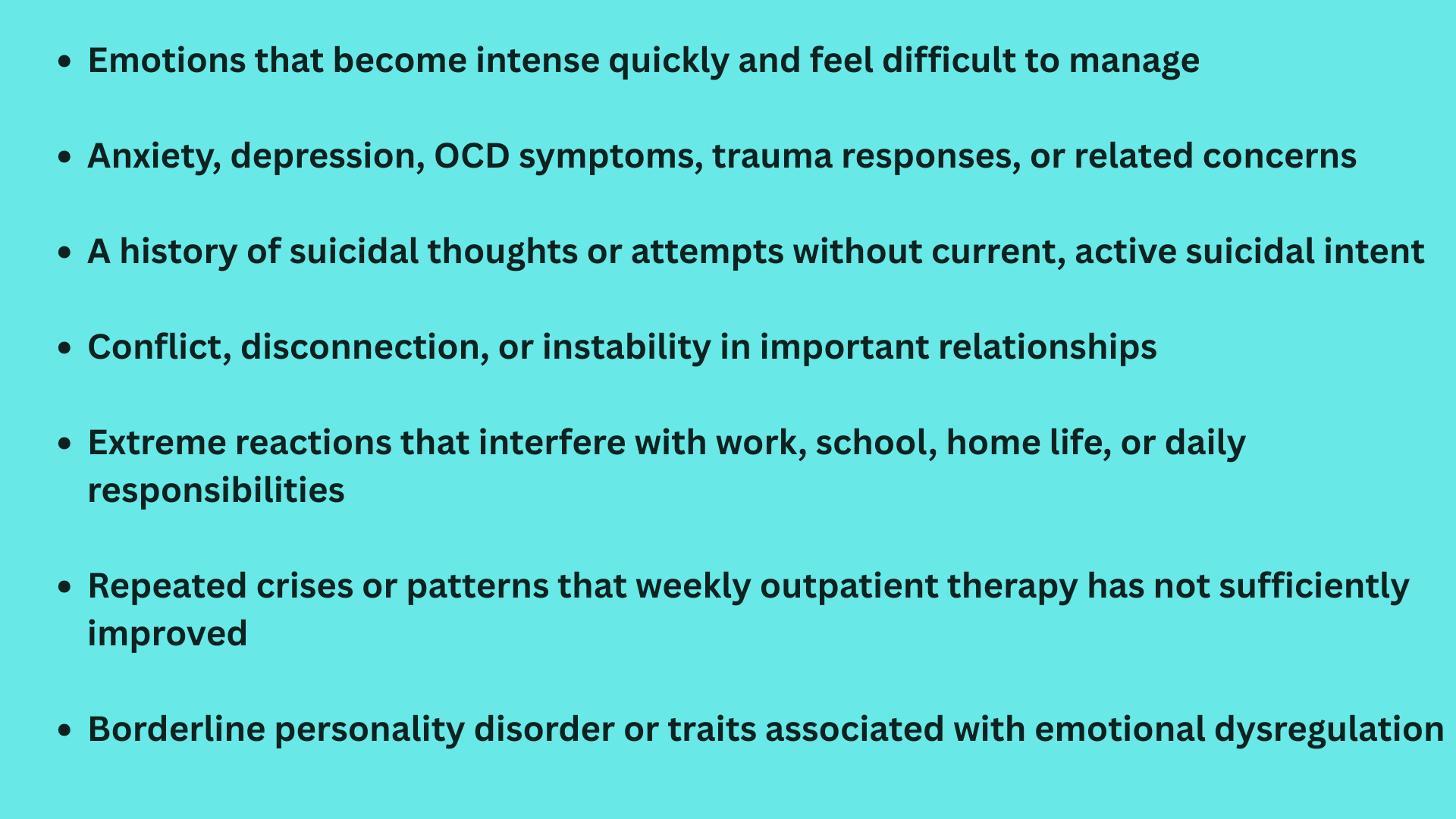
These challenges are not character flaws. They are signs that a more structured level of care and more opportunities to practice new skills may be needed.

A Full Week Of Connected Care
Multiple touch points each week provide consistent structure and ongoing support.

Evidence Based DBT Treatment
Dialectical Behavior Therapy (DBT) helps you build skills that Create, Real Lasting Change.

Compassionate, Expert Treatment
Therapists who specialize in DBT and care deeply about your progress.
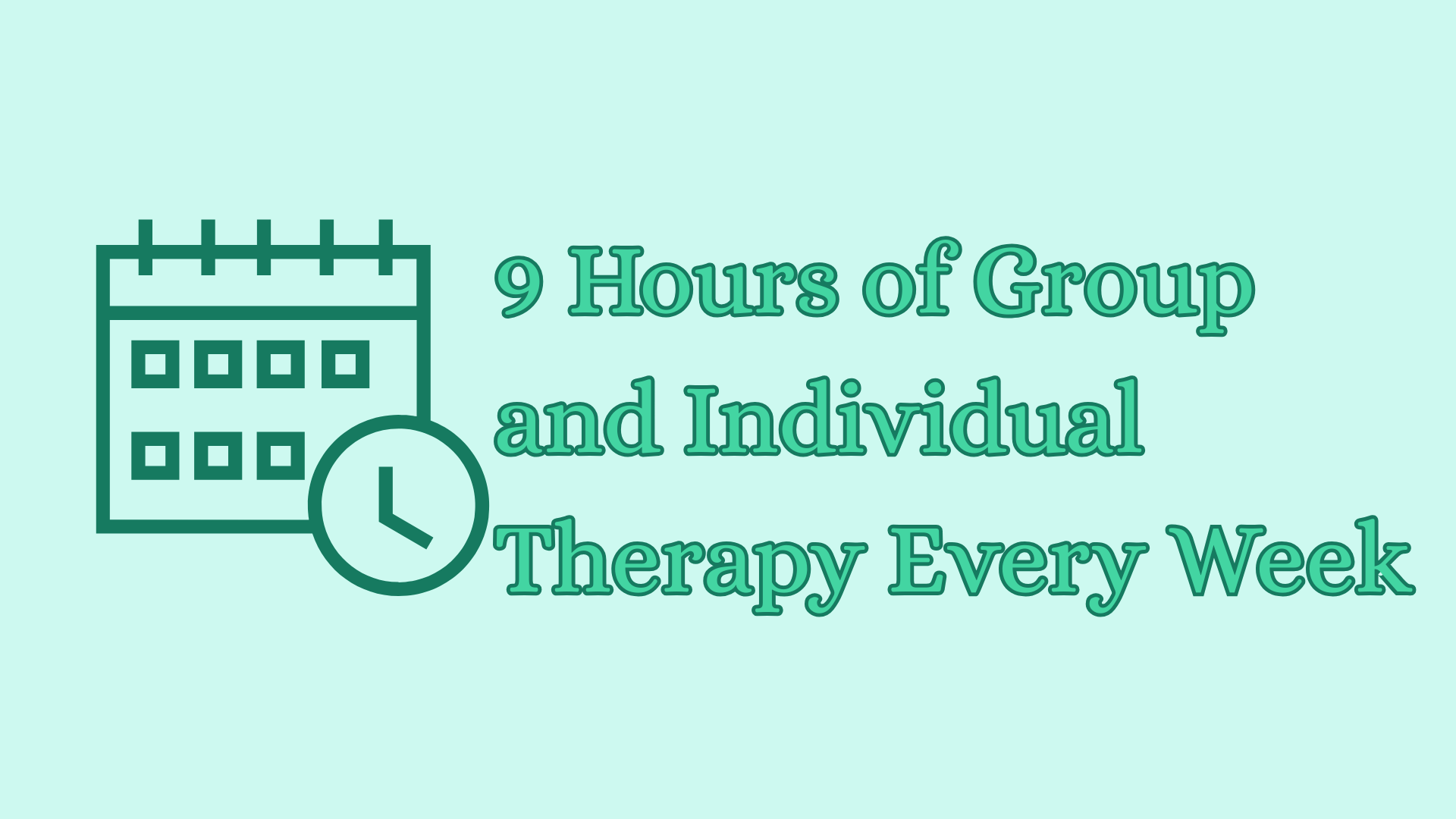
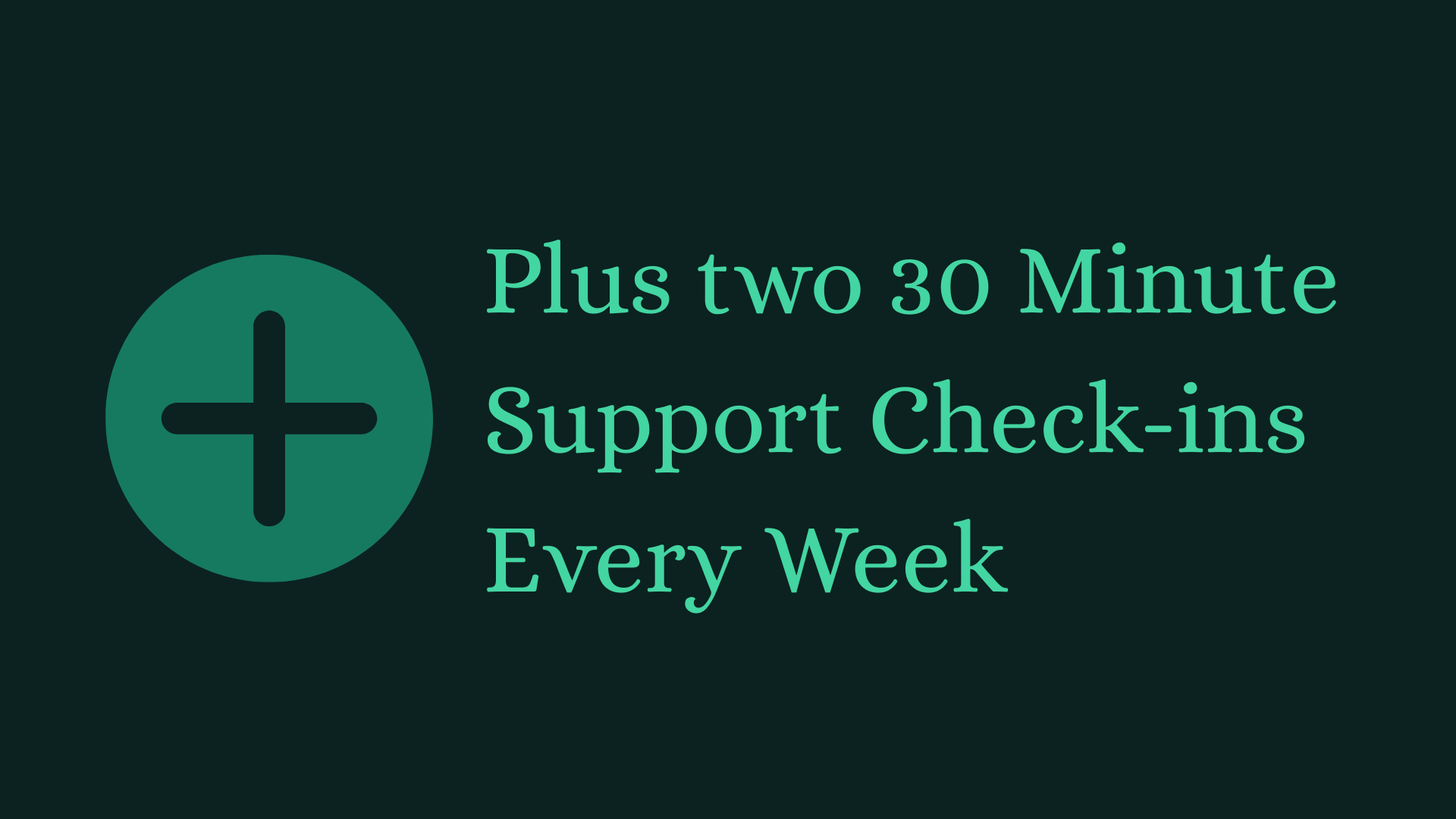
More structure. More practice. Support that reaches beyond one weekly appointment.
Our intensive outpatient program provides multiple points of therapeutic support each week. The program is built around Dialectical Behavior Therapy (DBT), an evidence-based approach that helps people respond to intense emotions, tolerate distress, communicate more effectively, and build a life that feels more stable and meaningful.

Because the program is fully virtual, you can participate from a private location at home without commuting to a treatment center. Small groups and individualized care create space to learn, practice, receive feedback, and apply new skills to real situations as they happen.
A Full Week Of Connected Care
Each week includes nine core treatment sessions plus two brief support sessions:
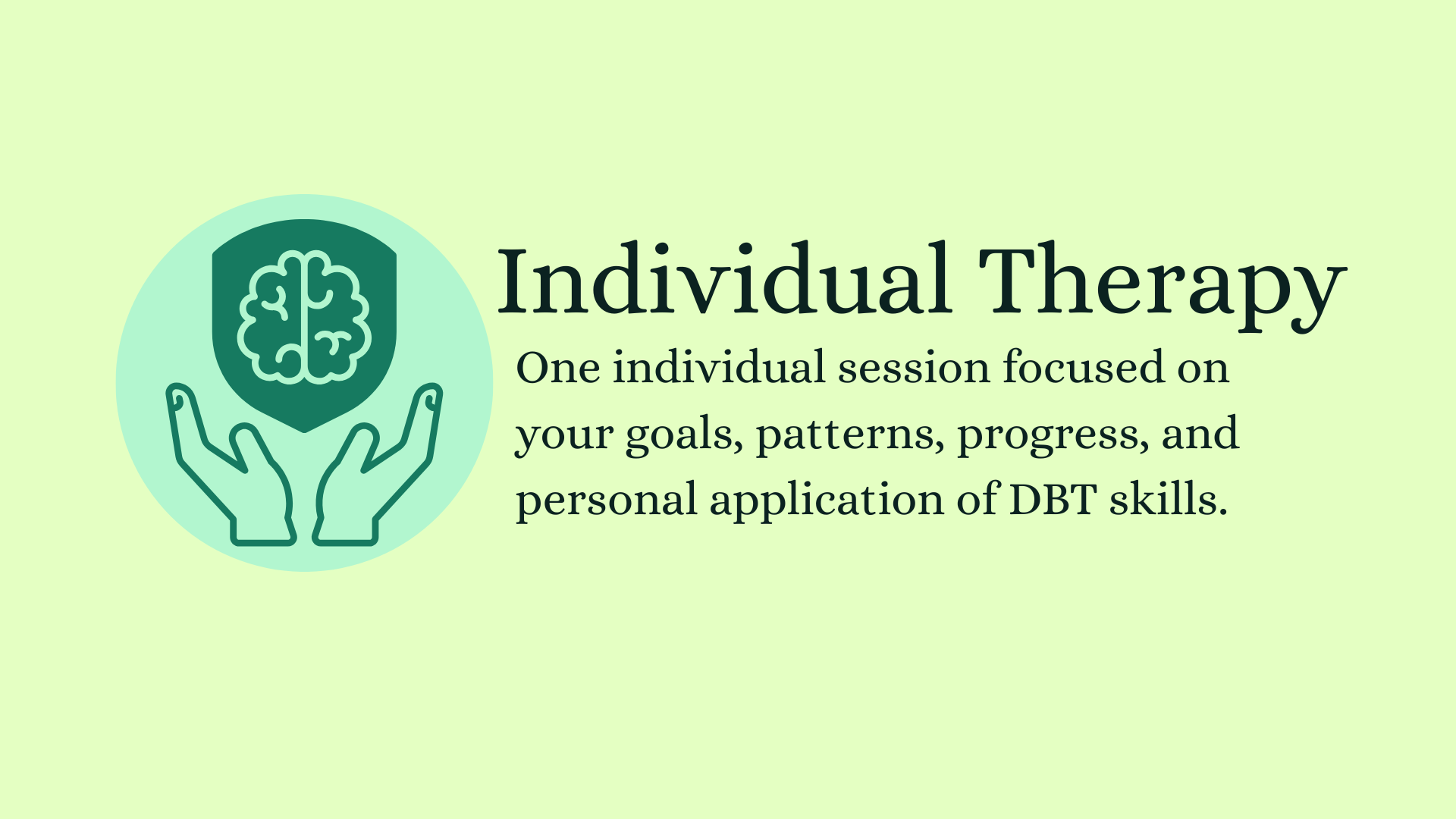
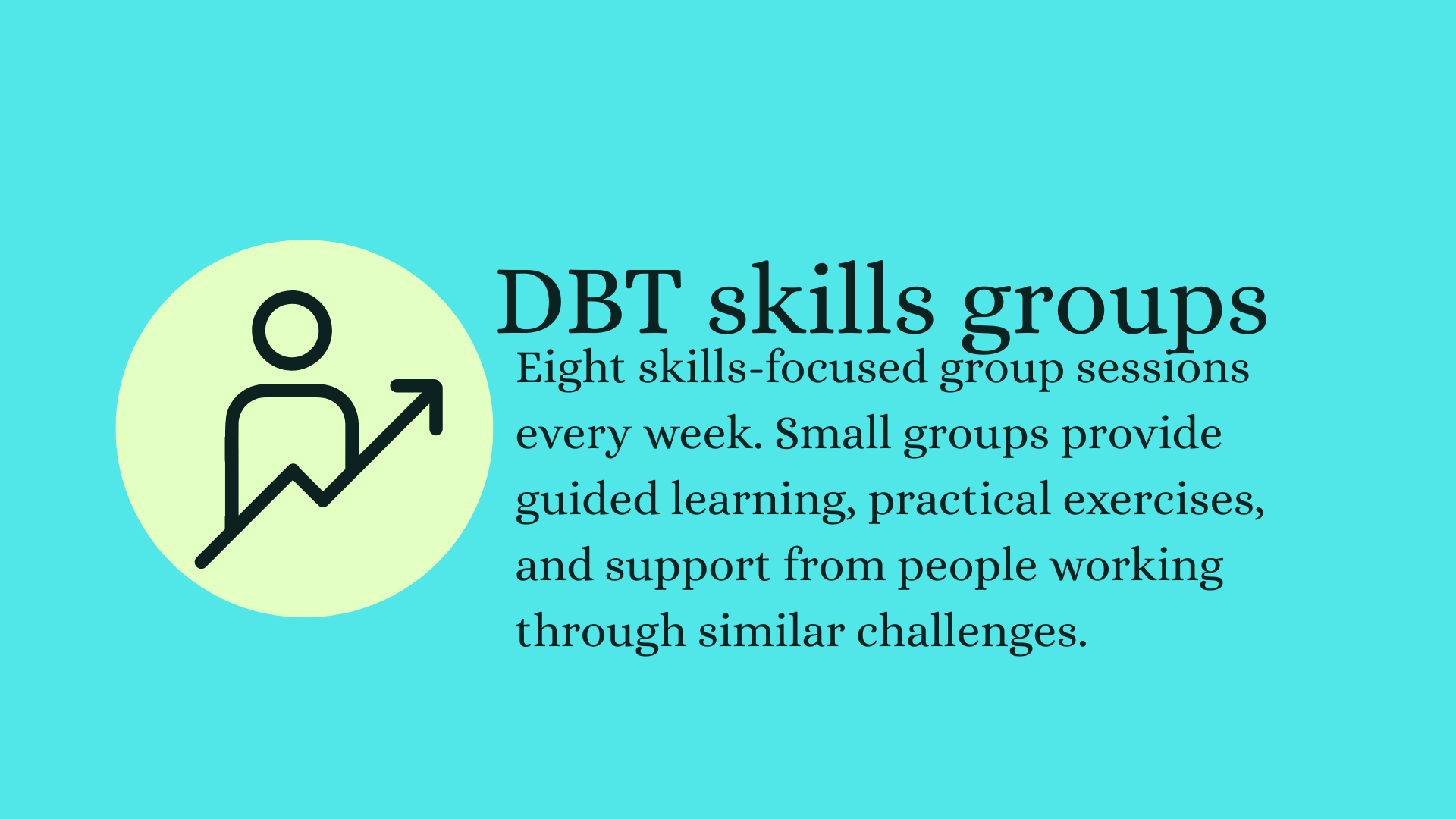
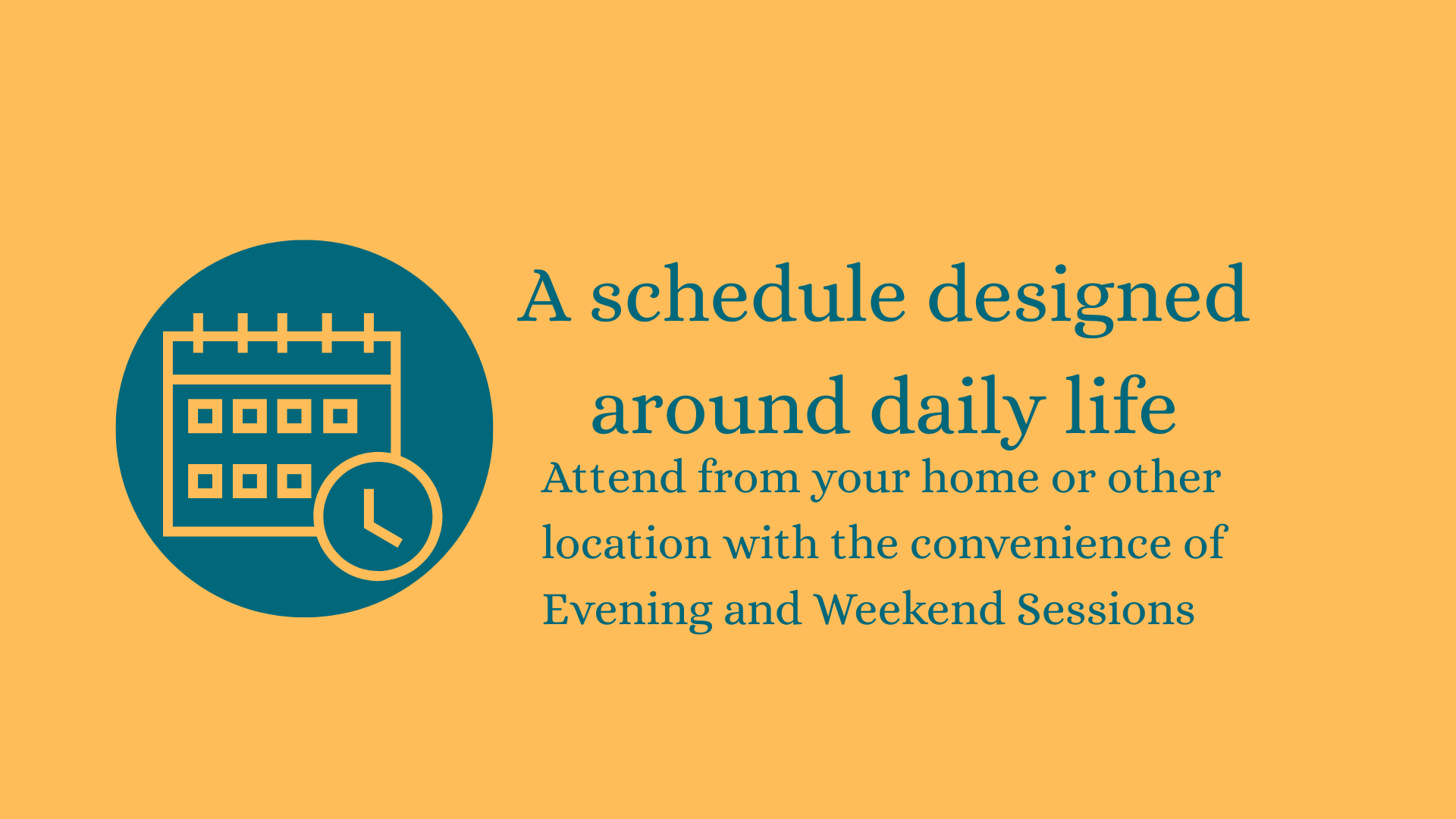
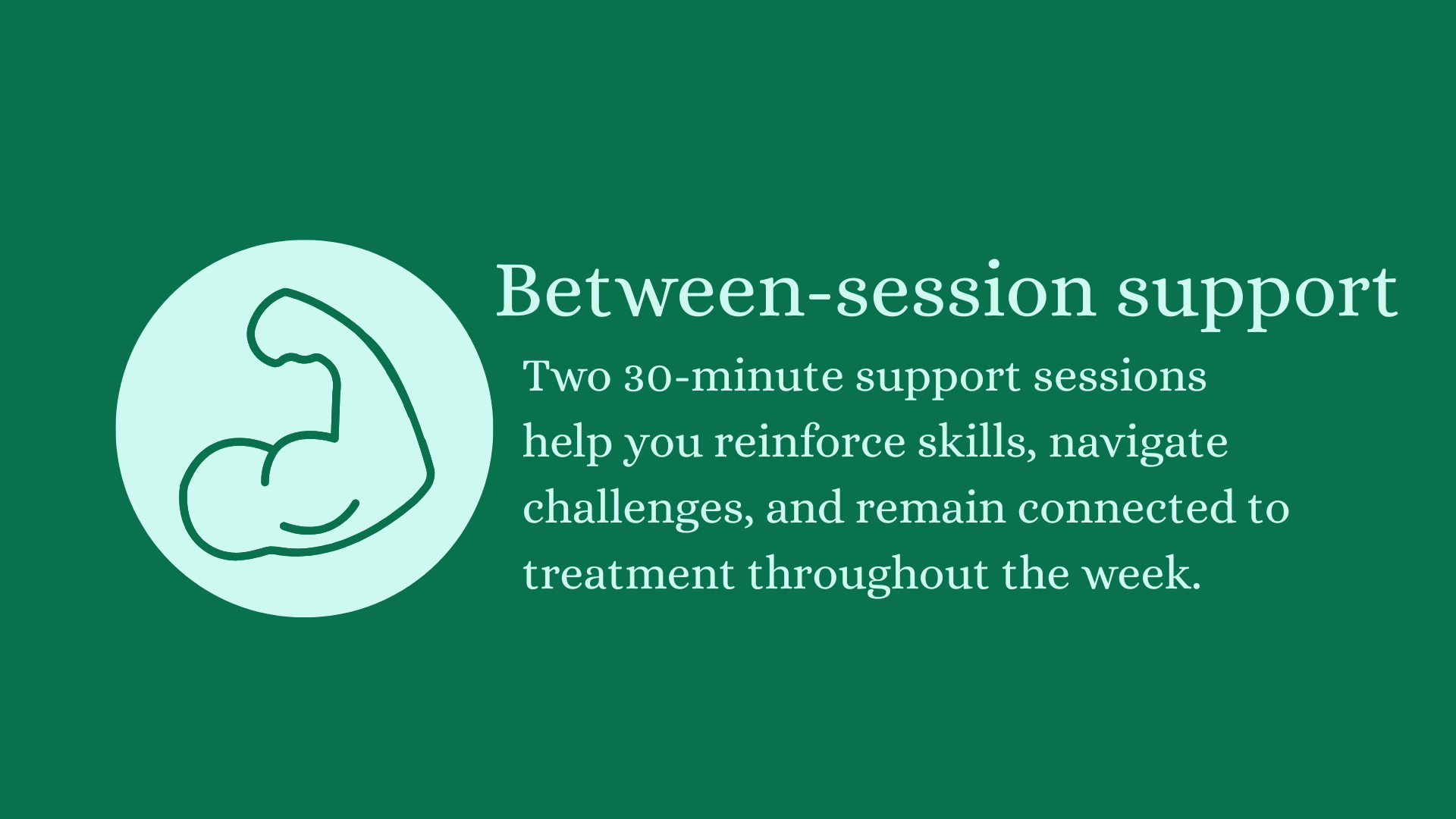
Learn what to do when emotions take over
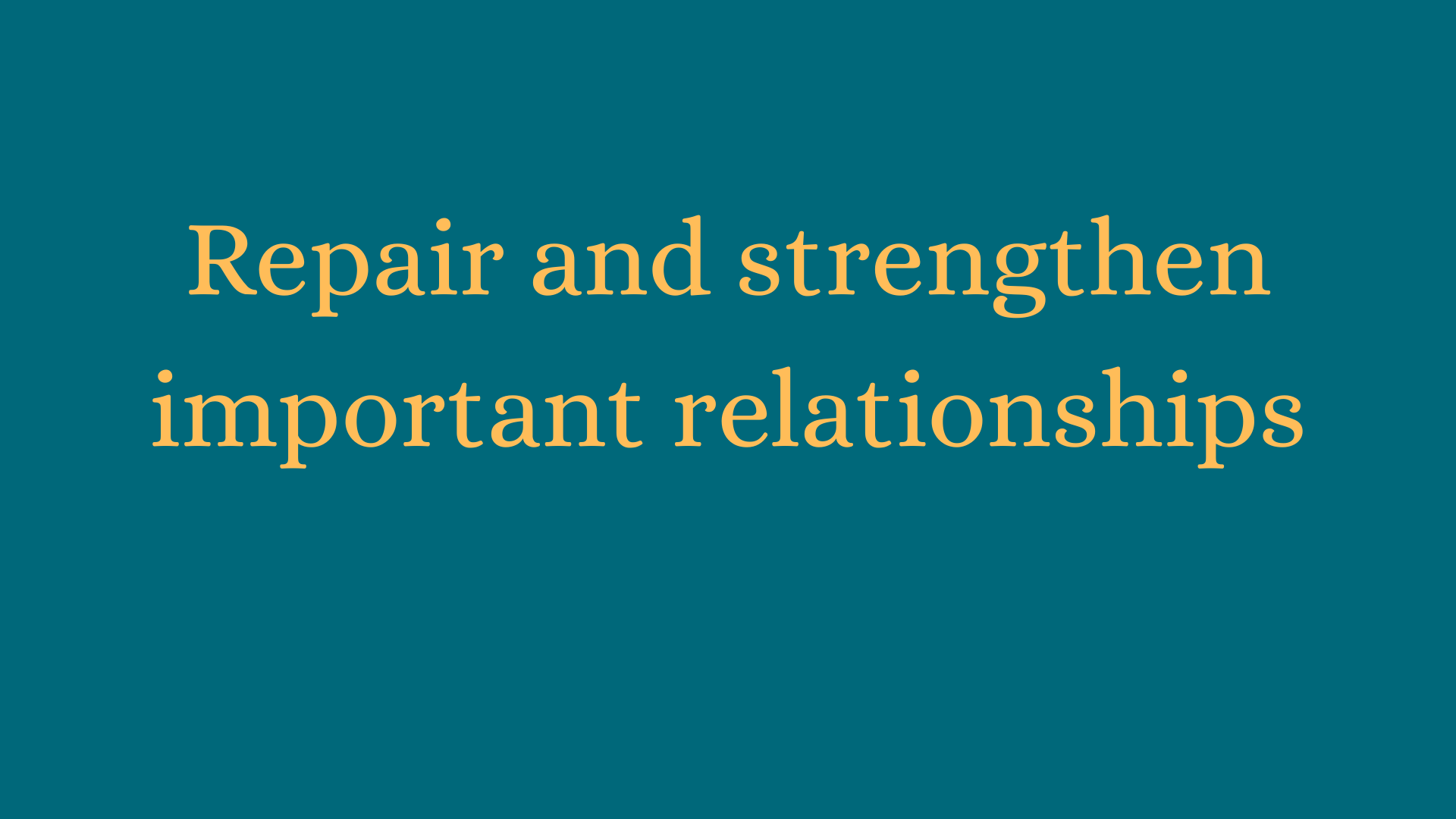
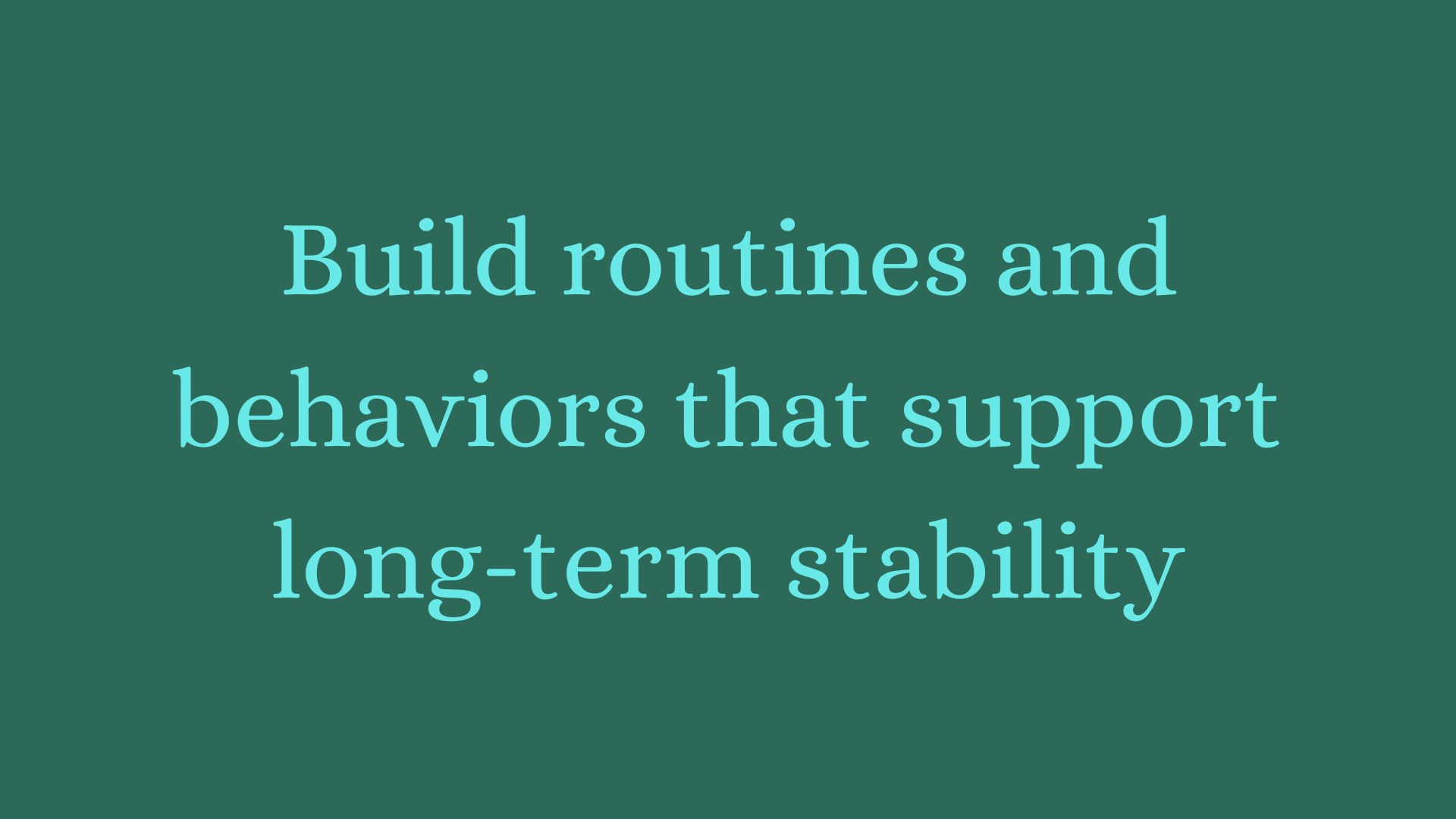
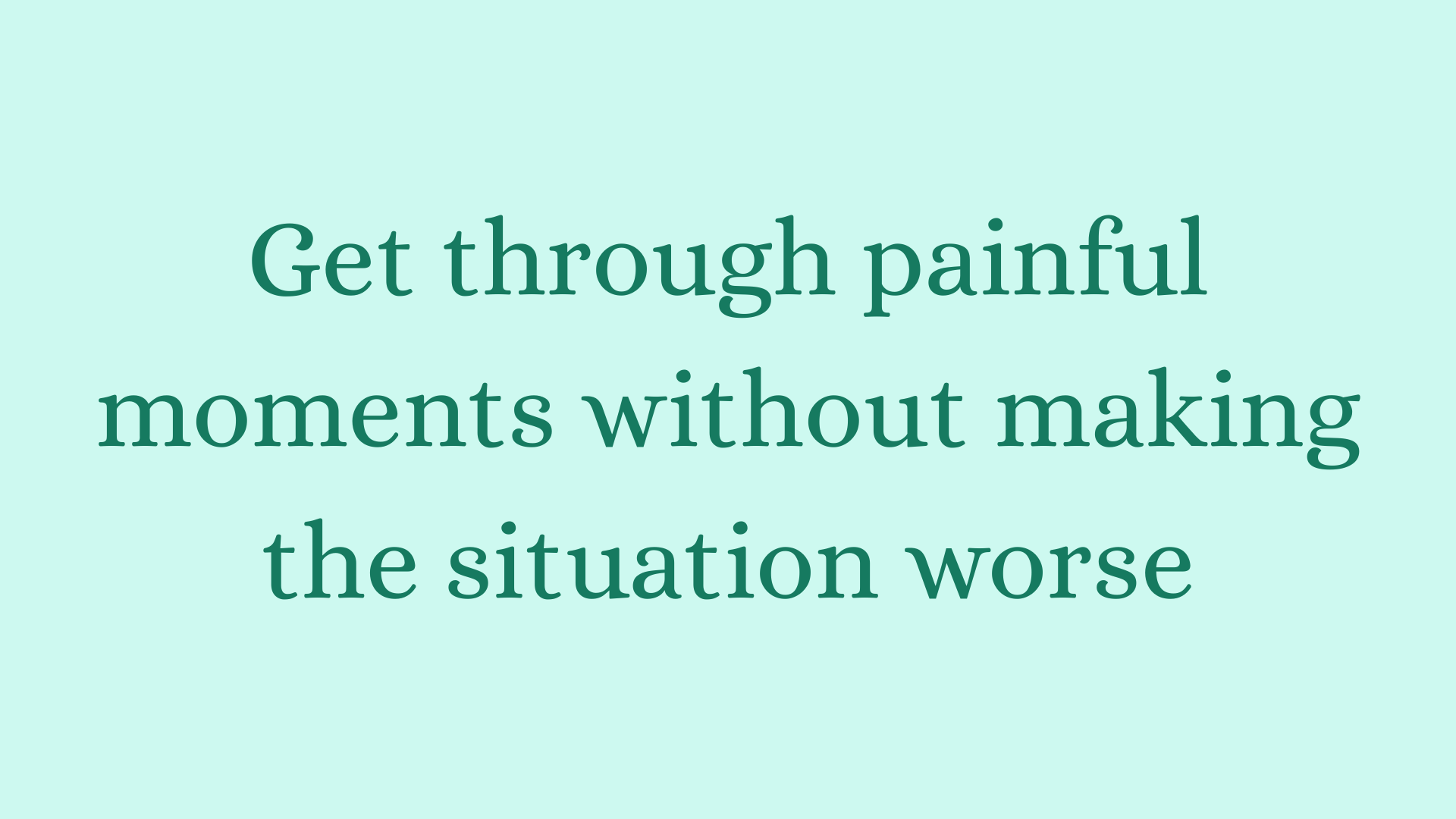
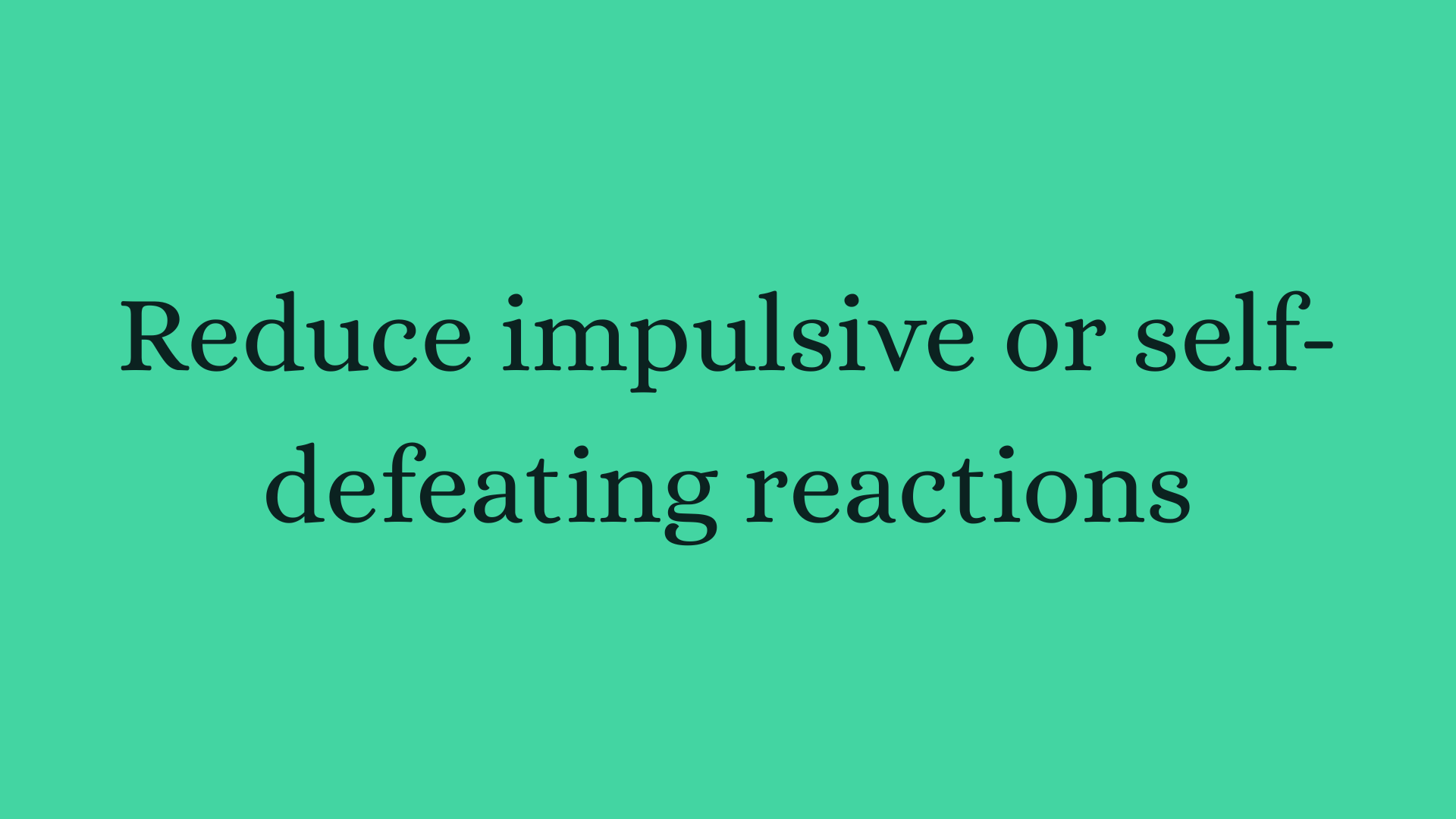
Progress looks different for every person, and no treatment can promise a specific result. Our goal is to provide the structure, practice, and clinical support needed to make meaningful change possible.
Intensive treatment without putting life entirely on hold
Our secure virtual format makes structured care more accessible for people who cannot—or do not want to—travel to a treatment center several days each week.

Join from a private, appropriate location in TEXAS
Avoid travel time and transportation barriers
Practice skills in the environment where you use them most
Maintain appropriate work, school, and family responsibilities
Receive consistent care from a connected treatment team

To participate, clients need reliable internet, a compatible device with a camera and microphone, and a private space during sessions. Eligibility for virtual care is determined during the consultation and clinical assessment.

If you are looking for yourself
You do not need to wait for another crisis to ask for more support. A consultation is a private opportunity to tell us what has been happening, learn how the program works, and determine whether this level of care may fit your needs.
If you are worried about someone you love
Watching a loved one struggle with intense emotions, damaged relationships, or recurring crises can leave you unsure what to do next. Our team can explain the program, answer general questions, and help clarify the appropriate next step while respecting the prospective client's privacy and autonomy.
If you are a therapist or referral professional
When weekly outpatient care is not providing enough structure, our virtual IOP can offer a higher frequency of DBT-based treatment while allowing appropriate continuity with community providers. Contact us to discuss eligibility, coordination of care, and referral procedures.

Getting Started is Easy
Schedule a free consultation call
We’ll learn about your needs and goals

We confirm we’ll fit your needs
Begin Getting Better
Scheduling a consultation does not commit you to treatment
We’ll help you navigate insurance, costs, and next steps.
We accept many insurances, help with Out-of-Network insurance billing, and Accept Care Credit to make intensive treatment affordable for you!
BlueCross BlueShield
〰️
Anthem
〰️
Magellan Health
〰️
Aetna
〰️
Cigna
〰️
Baylor Scott & White
〰️
Superior
〰️
Imagine Better Health
〰️
Out-of-Network Plans
〰️
BlueCross BlueShield 〰️ Anthem 〰️ Magellan Health 〰️ Aetna 〰️ Cigna 〰️ Baylor Scott & White 〰️ Superior 〰️ Imagine Better Health 〰️ Out-of-Network Plans 〰️
Understanding insurance and treatment costs can feel complicated. Our team is here to walk you through the verification process, explain your options clearly, and answer your questions—without pressure or obligation.
Frequently Asked Questions
-
An intensive outpatient program, or IOP, offers more structure and treatment time than typical weekly therapy without requiring overnight care. Participants attend multiple treatment sessions each week and return to their home environment afterward.
-
No. The program may support people with borderline personality disorder, anxiety, depression, OCD, trauma-related concerns, and other conditions involving emotional dysregulation or functional impairment. Admission is based on each person's needs and clinical appropriateness, not a diagnosis alone.
-
Prospective clients come to us after weekly therapy has not provided enough structure, repetition, or real-time practice. IOP offers more frequent support and multiple opportunities each week to learn and apply skills. A consultation can help determine whether this approach is an appropriate next step.
-
Currently, the program is strictly online. Treatment is delivered virtually to eligible clients located in Texas at the time of service. Participants need a private space, reliable internet, and a device with a camera and microphone.
Plans to create an in person program is also in progress. Information will be updated as we make progress toward this goal.
-
Yes. We accept both in network and out-of-network insurances. Benefits and coverage vary. Our team can discuss verification, financing, and self-pay options during the consultation process.
-
No. This program is not an emergency or crisis service. It may be appropriate for some people with a history of suicidal thoughts or attempts who are not currently in immediate danger, subject to a clinical assessment. If you or someone else may act on thoughts of suicide or self-harm, call 911 or 988 in the United States, or go to the nearest emergency department. Outside the United States, contact the local emergency number or crisis service.
-
We never want finances to prevent someone from receiving the care they need. For those who don’t have insurance we are able to accept Care Credit, HSA cards, and offer payment plans. This will be discussed further during your free consultation.
-
PCS Counseling Services partners with ForwardCare to provide our IOP services. ForwardCare helps with checking your insurance benefits and billing your insurance. This link here will provide you with more information about our IOP with ForwardCare.
-
We understand that you may have a high deductible. For that reason we accept Care Credit and offer Payment Plans. You can use these options and still use your insurance.
-
That is what the consultation and clinical assessment are designed to determine. We will consider current symptoms, safety, treatment history, daily functioning, virtual-care suitability, and whether another level of care would better meet your needs.
Your next step doesn’t have to be another crisis.
If intense emotions, repeated relationship difficulties, or ongoing symptoms continue to interfere with life despite traditional therapy, a more structured approach may help.
Schedule a confidential consultation to ask questions, explore whether our virtual IOP may be a fit, and learn what comes next.

Schedule a FREE Consultation
Confidential. Compassionate. No obligation to enroll.
PCS Counseling Services, PLLC and its programs do not provide emergency or crisis services through this website, its scheduling form, email, or voicemail. If you are in immediate danger or may act on thoughts of suicide or self-harm, call 911 or 988 in the United States, or go to the nearest emergency department. Outside the United States, contact your local emergency number or crisis service.